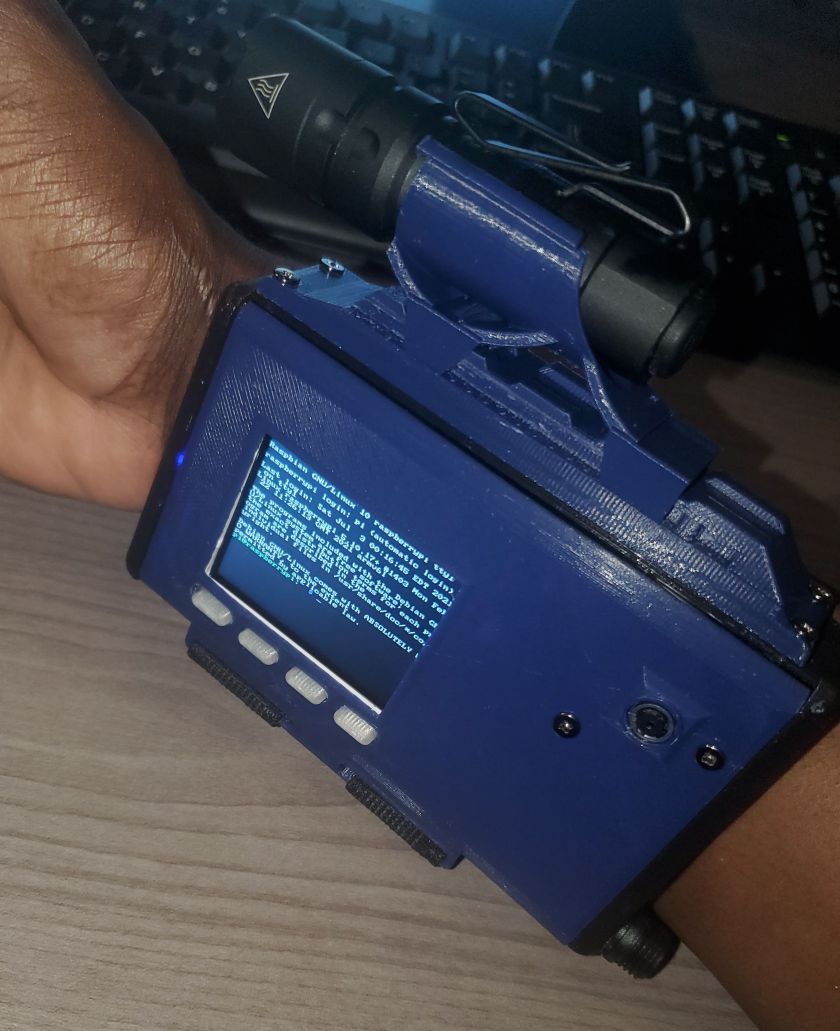
While I have consistently been working on this project since my last update, I haven’t felt any of the changes were worth writing about. However I really want to be more consistent with capturing the evolution of this.
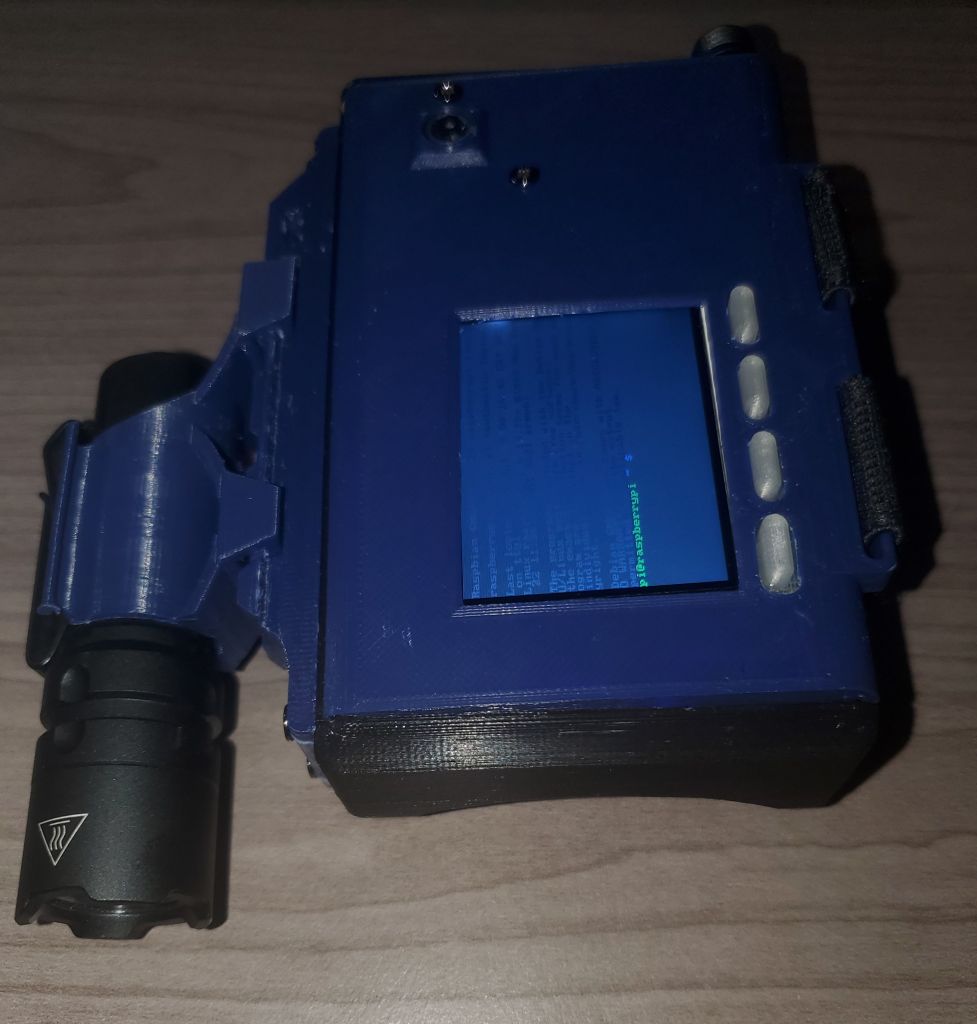
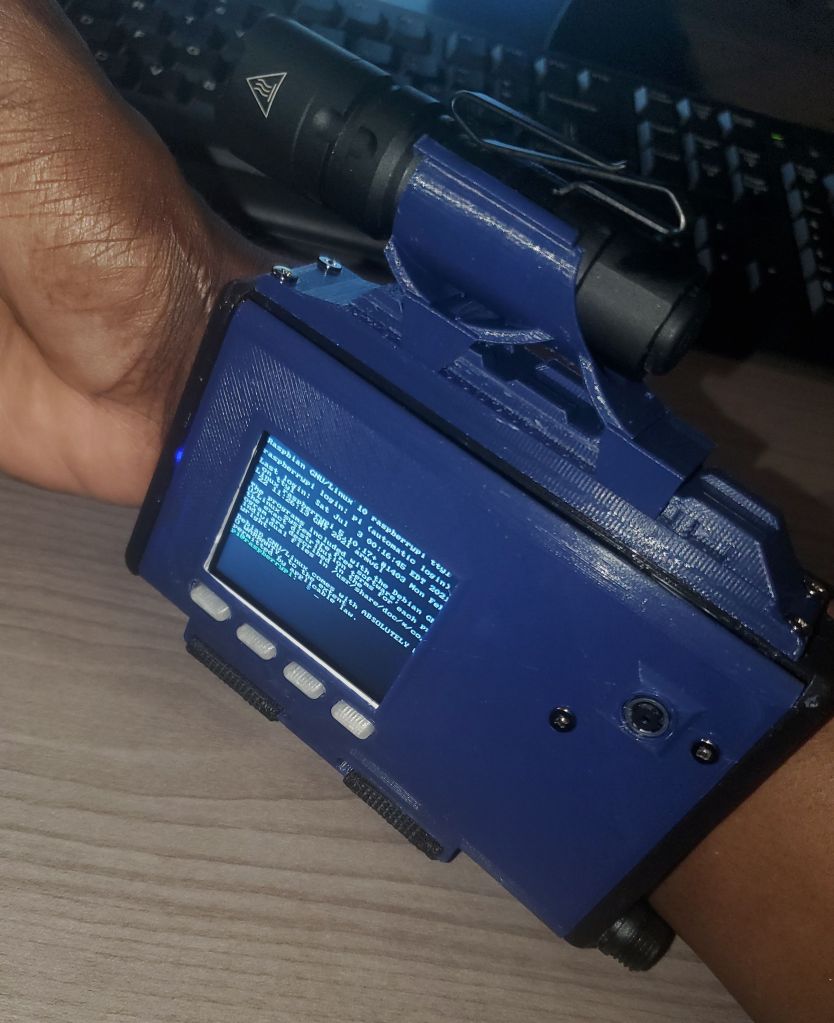
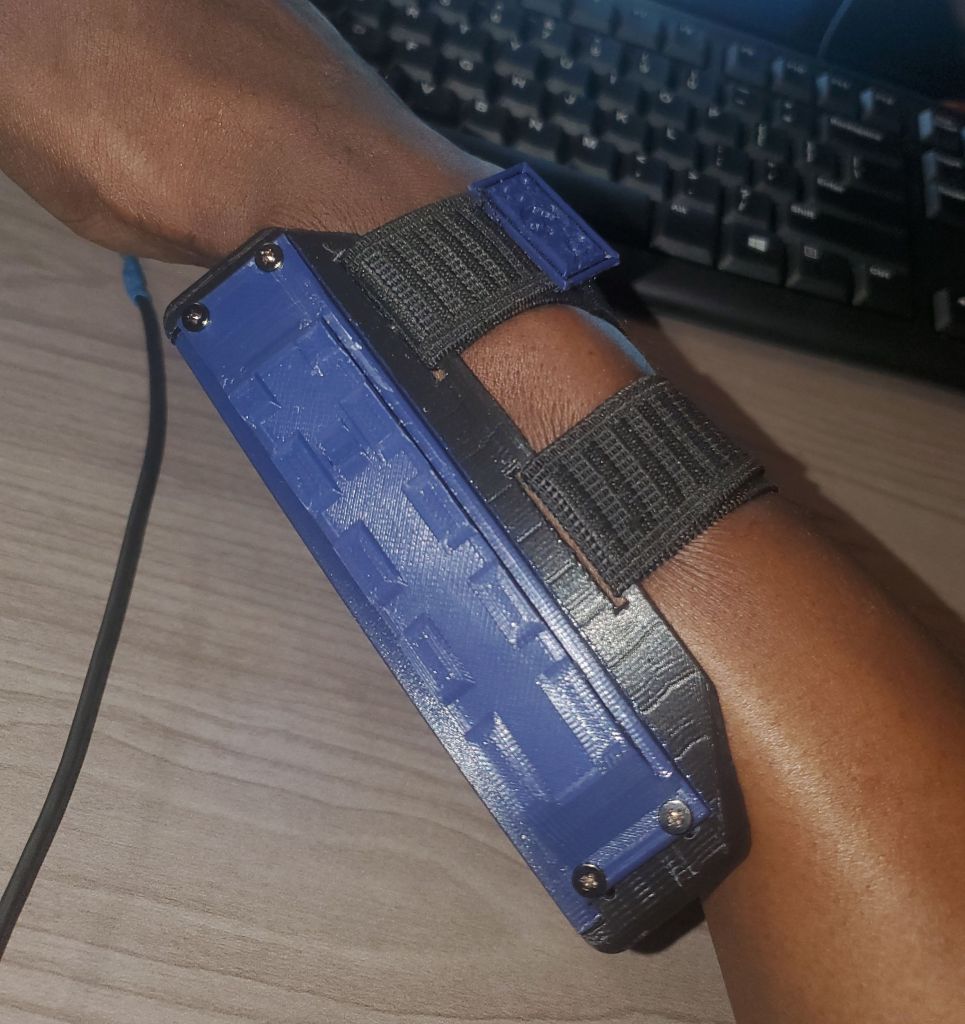
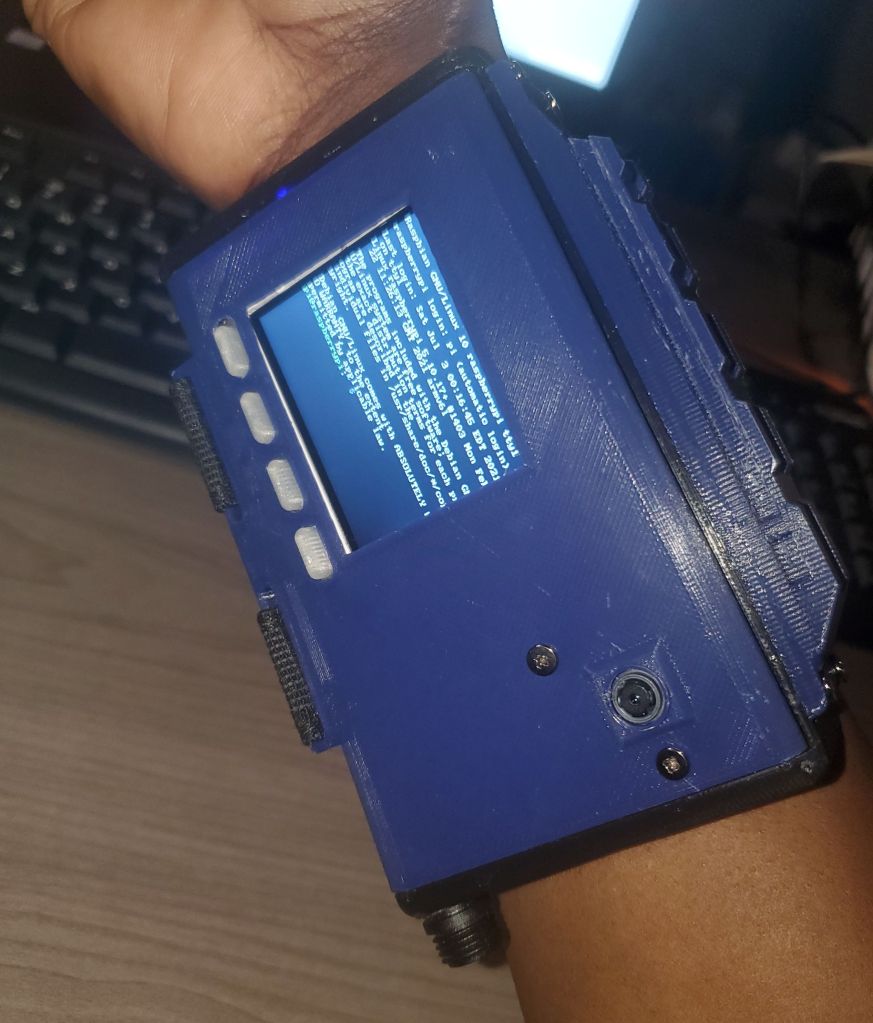
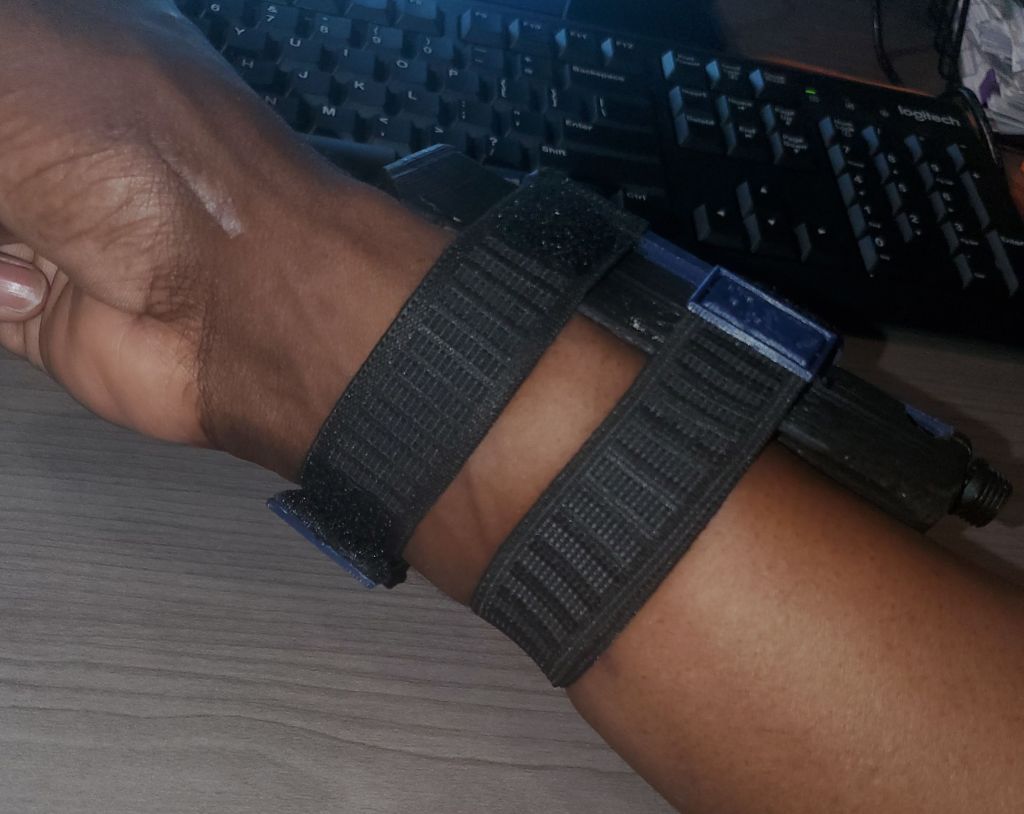
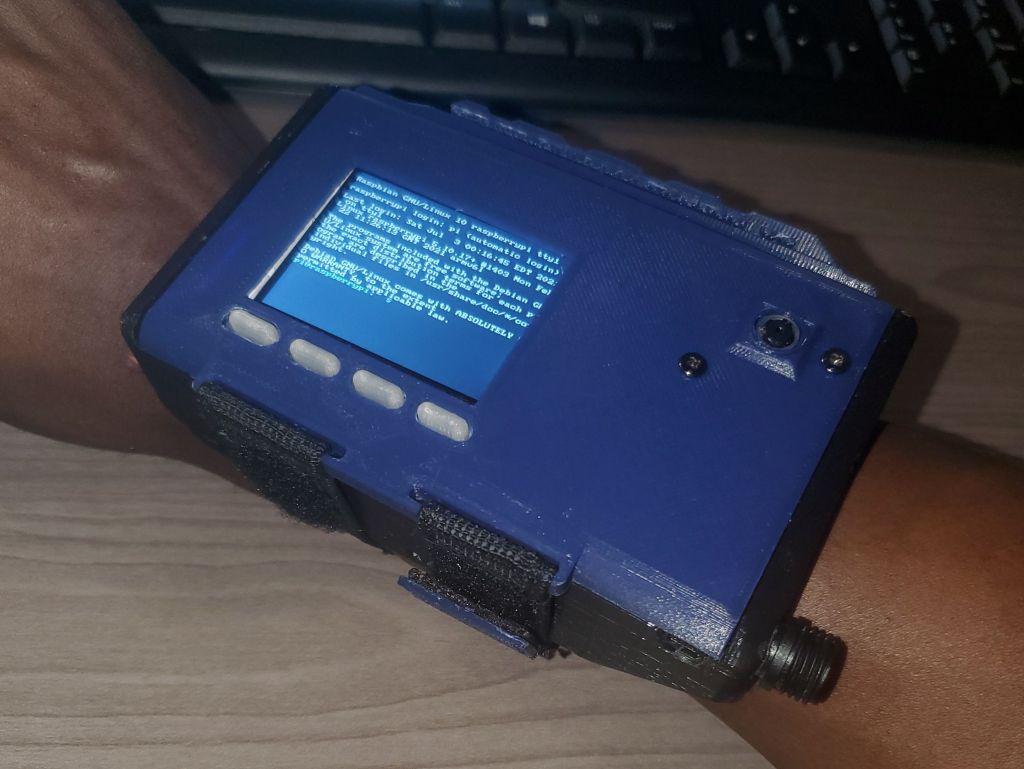
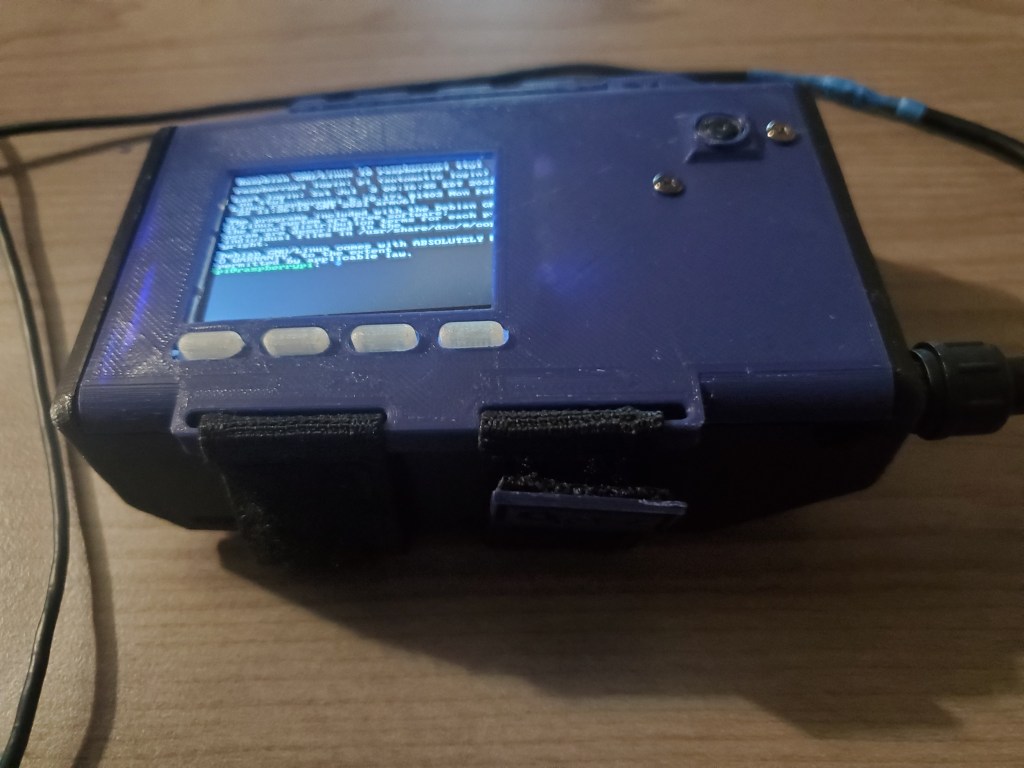
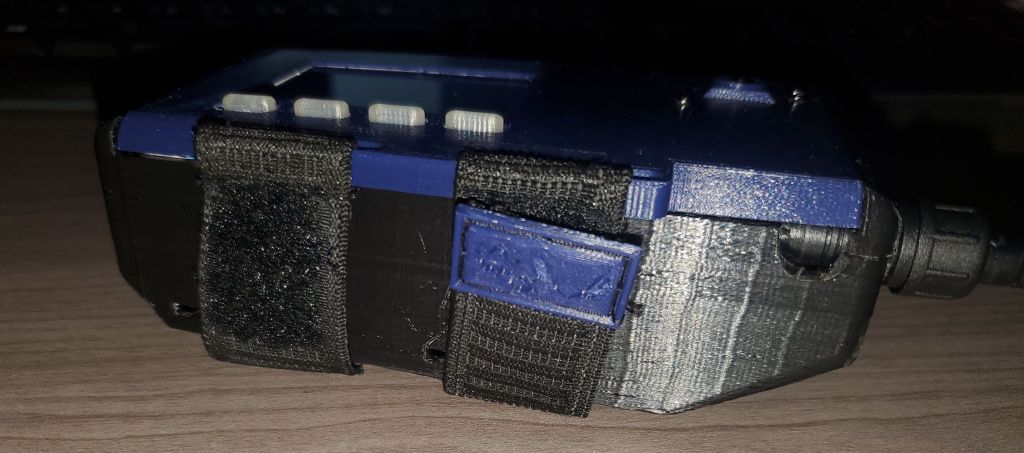
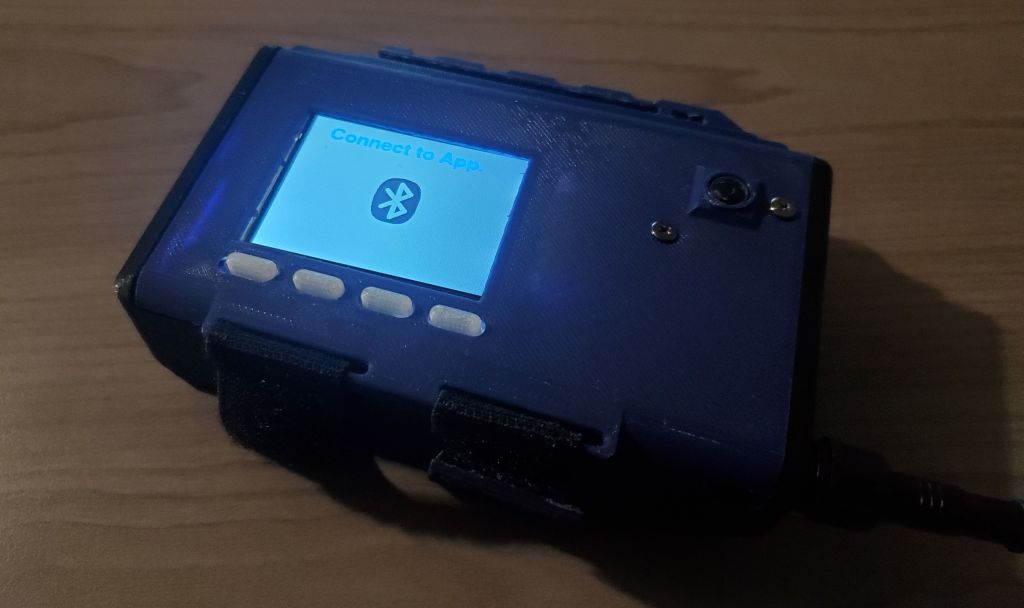
This version is by far the most comfortable to wear and the most useful. The overall design is the same, except that everything is contained in the main enclosure now. I also changed to a smaller non-touch display. I have printed a top that fits my previous PiTFT touchscreen though.
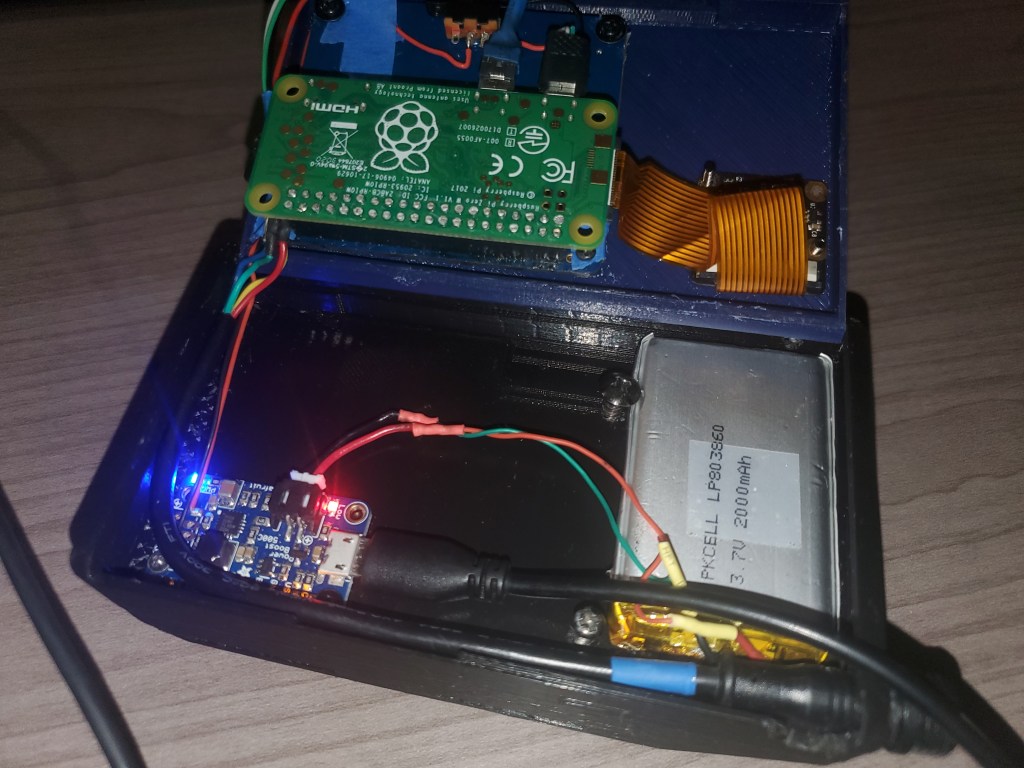
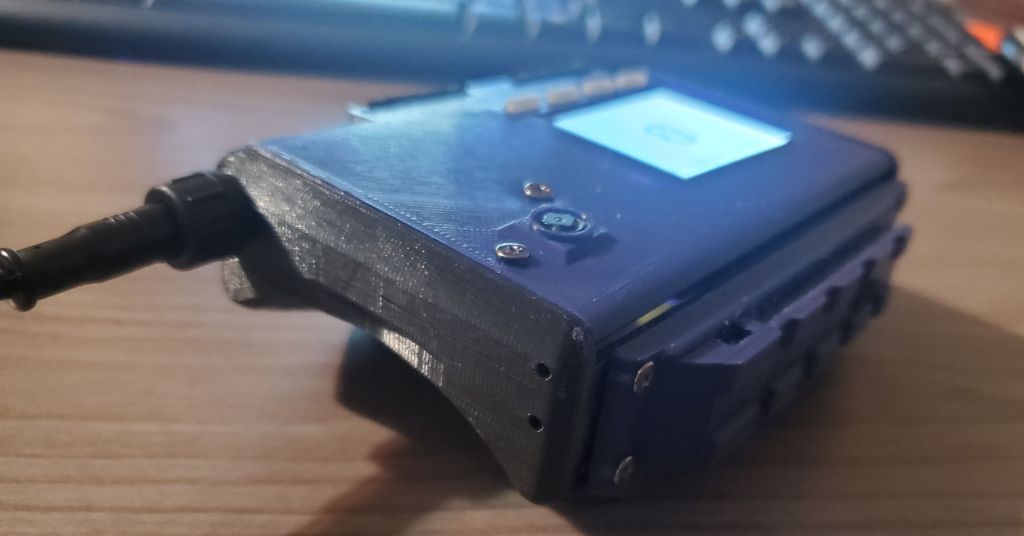
The primary design feature I want to discuss now is the USB port. This is the threaded protrusion on the bottom of the device. I purchased these water resistance 4-pin connectors, and they have proved very useful. In this version I have one end connected to the Pi’s USB Port. The Pi is in Serial Gadget Mode, which acts as a serial device to other machines. It also provides power. So now I am running the communications and power up the arm to another machine. I’ll mention why in a bit. The battery power is still within the enclosure so the wireless option remains.
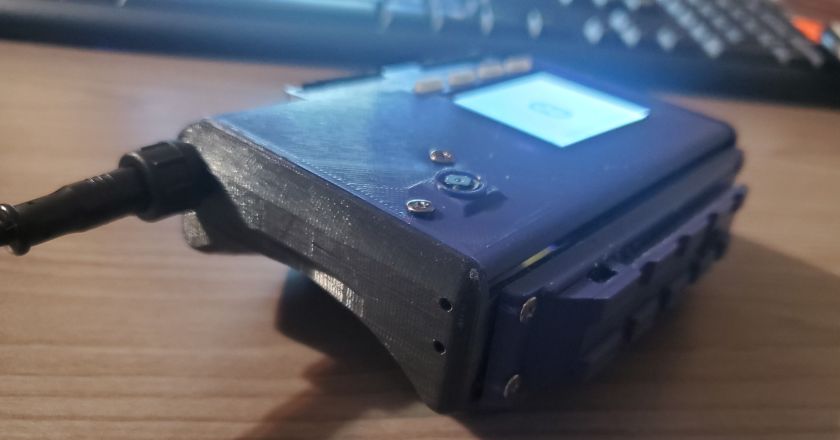
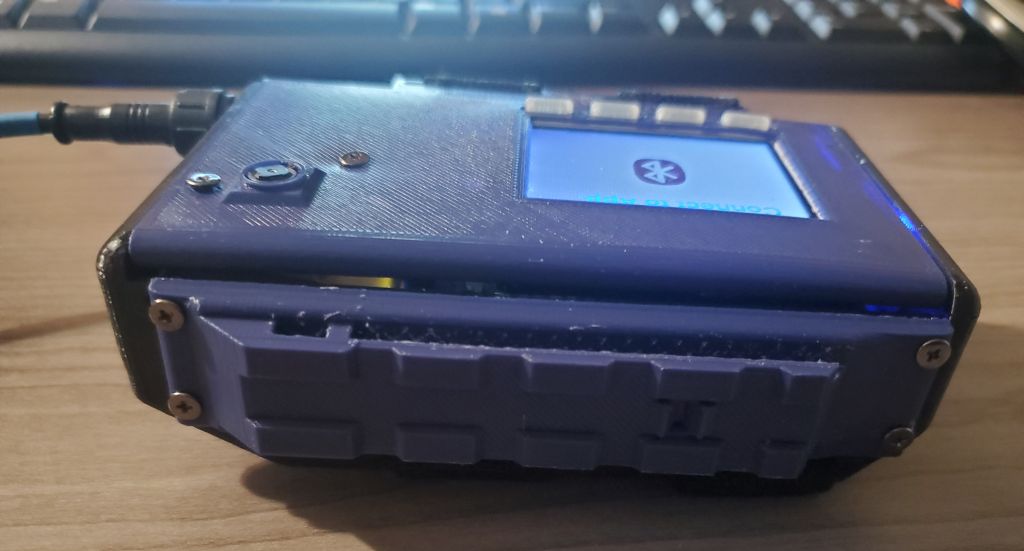
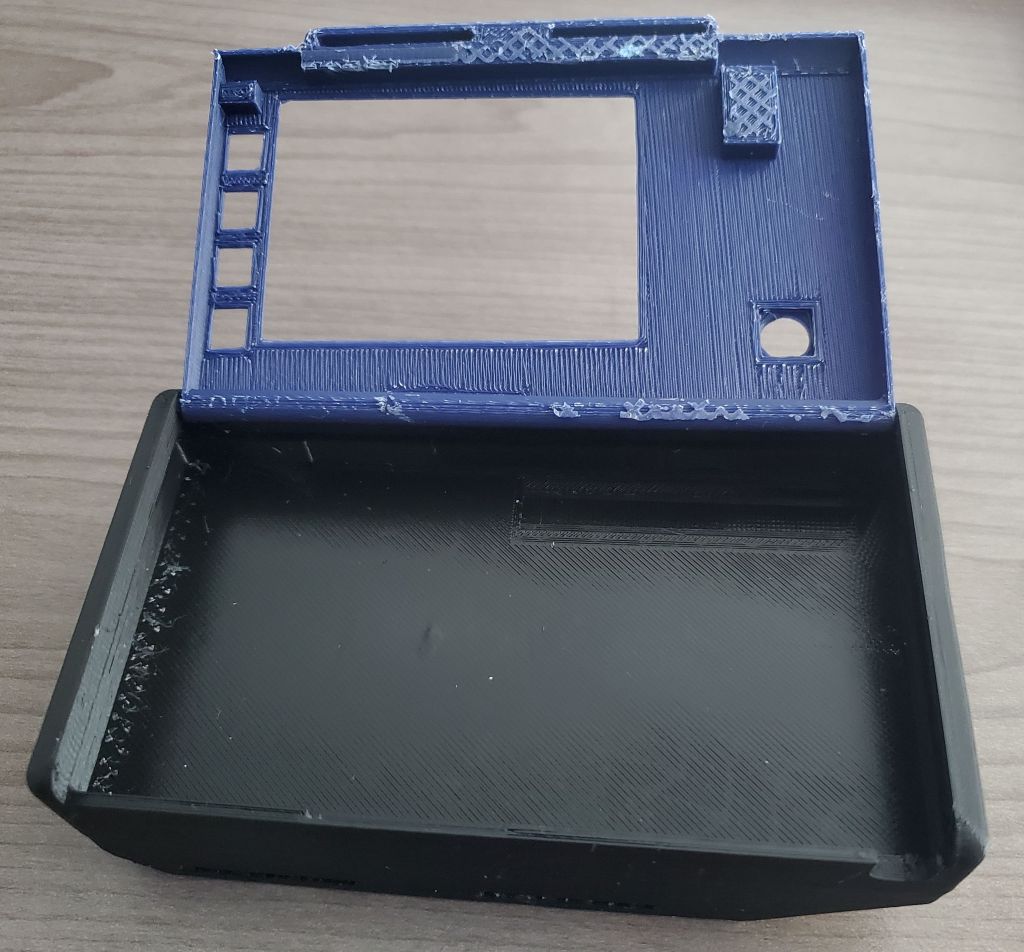
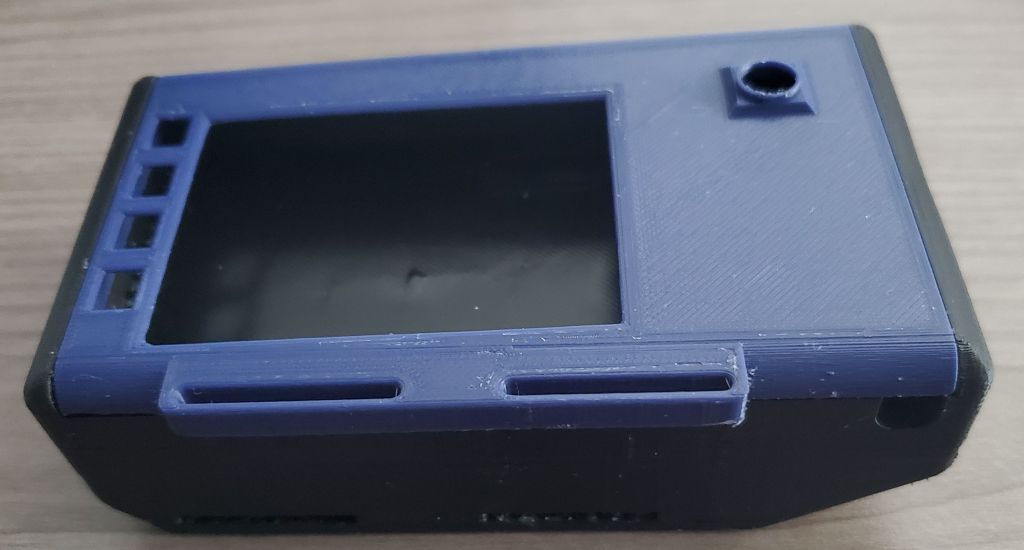
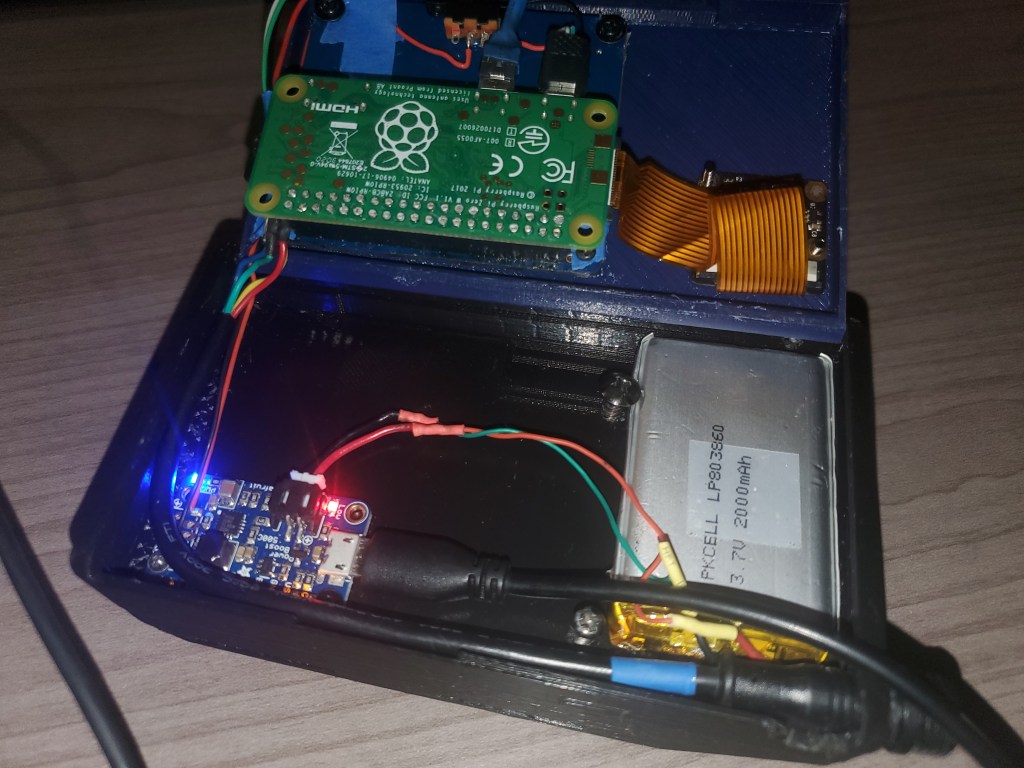
I used more screws this time around instead of hot gluing everything. I’ve learned my lesson as far as thinking I won’t be taking this apart to make changes. I also managed to fit the Pi Zero to the Display headers without soldering wires, and the lid closes snugly . The hole for the 4-pin connector and the accessory rail were added after printing but will be included in the body’s model.
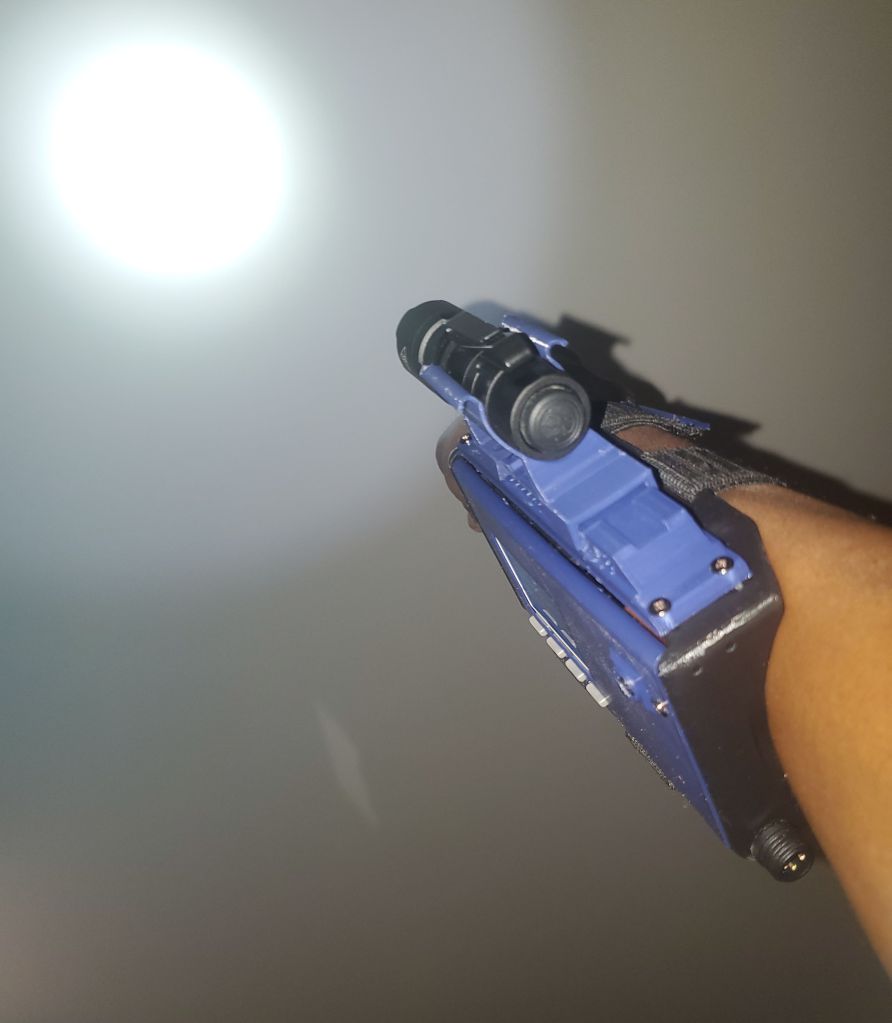
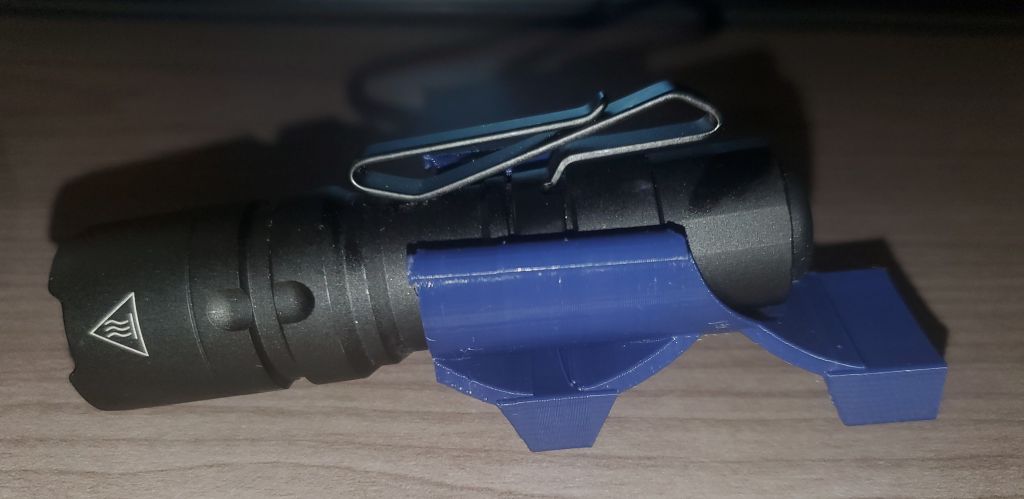
Oh, did I not mention the attachment rail? I am really excited about this addition. My thinking is that all of the peripherals that I want to add to the system, or with new use cases, I can just design a module that can be clipped onto the device and connected to the system. I cut out the attachment rail from a Nerf gun model, though I will probably change this to something more sturdy. Here I have a flashlight on it. I found this model here:
https://www.thingiverse.com/thing:618151
I decided to go back to a previous design with the cable running up the arm to make this device more of a peripheral that I can add to other projects. Particularly I foresee me using this with my thesis research to make collecting, and testing, more easy.
My thesis involves another wearable setup with some bulky equipment strapped to my back as well as a to other parts of my body. The Raspberry Pi I have been using is not suited for this implementation, so I have been using laptop with Ubuntu running on them. I plan on writing a GUI to run my scripts or change some parameters. I will interface from the wearable on my wrist. This way I wont have to hold the laptop or keep pulling out of the harness. My thesis involves a lot of walking.
The Serial Gadget mode allows me to send and receive messages between the Pi and laptop’s serial port. Given the bulkiness of the research equipment, the extra line running up the arm will be fine. Plus I also have the compression sleeve with the zipper cover to keep the cable snug to the arm.
I wanted to test out wearing the device on the inside and outside of the wrist. I ran while wearing it, along the the flashlight. It still feels more comfortable worn inside the wrist. The attachment doesn’t feel like one side is heavier than the other either. The GUI is the same as before, connecting to the Android app to send and receive data and commands.
Next, aside from a possible implementation with my thesis research setup. I will be looking for some cool attachment ideas.